
According Transition Pedagogy for inclusion and international student success
In July 2023, the Universities Accord Panel set out a vision for Australia’s future higher education (HE) system in its Interim Report. For international HE, which the Panel viewed ‘less as an industry and more as a crucial element of Australia’s soft diplomacy, regional prosperity and development’, it outlined the imperative of better embedding international education ‘within the mission of the Australian tertiary education system and … the mission and purpose of individual institutions’ (p 18). The Panel urged that the delivery of international education must be underpinned by providers’ ‘ability to deliver a high-quality education and student experience, rather than growth to achieve revenue gains’ (p 94), but acknowledged that it had ‘heard that learning and teaching for both domestic and international students is sometimes falling short of students’ expectations’ (p 17). The sector’s commitment to the welfare, safety and wellbeing of international students, via welcoming and inclusive educational environments and the mediation of community perceptions, was also canvassed.
The Accord’s focus on educational quality for international students, together with its ambitious targets for parity of participation and attainment by underrepresented, equity-bearing cohorts, raise big questions for HE about how it best designs and delivers inclusive learning, teaching and wrap-around support for increasingly diverse student populations. Positive pedagogical practices, that eschew a deficit framing and ‘othering’ of international students, and instead acknowledge and mediate the multidimensionality, complexity and diversity of their lived experiences, are not easily discernible. This presentation will briefly canvass the current HE landscape and then turn its attention to how learning and teaching needs to respond – if not transform – to deliver on this bold quality agenda for personalised inclusion with cultural and inclusive nuance. It will argue that high quality curriculum design under the auspices of Transition Pedagogy, that does not leave student success to chance, is a particularly compelling and sustainable response.
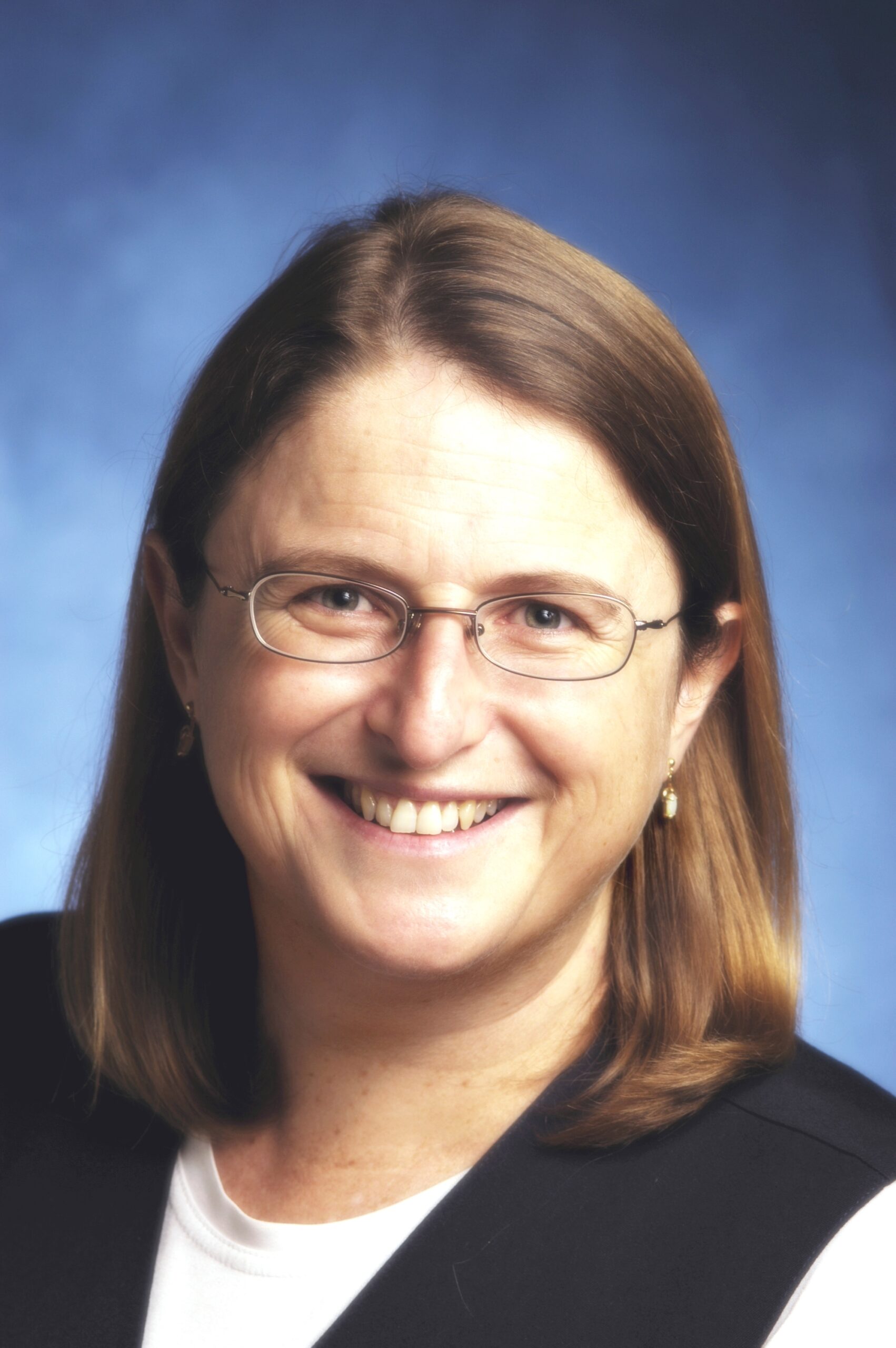 Professor Sally Kift
Professor Sally Kift, PFHEA FAAL ALTF, is a Principal Fellow of the Higher Education Academy (PFHEA), a Fellow of the Australian Academy of Law (FAAL), and President of the Australian Learning & Teaching Fellows (ALTF). She has held several university leadership positions, including as Deputy Vice-Chancellor (Academic) at James Cook University. Sally is a national Teaching Award winner, a national Program Award winner and a national Senior Teaching Fellow on the First Year Experience. In 2010, she was appointed an Australian Discipline Scholar in Law. In 2017, Sally received an Australian University Career Achievement Award for her contribution to Australian higher education. Since 2017, she has been working as an independent higher education consultant. From 2018-2021, Sally was a Visiting Professorial Fellow at the National Centre for Student Equity in Higher Education (NCSEHE), Curtin University and now chairs NCSEHE’s Grants and Fellowships Committee. She is currently a Vice Chancellor’s Fellow, Victoria University and an Adjunct Professor at JCU, Queensland University of Technology and La Trobe University.
Sally’s work in transition pedagogy will provide great insights into the First-Year Experience for our international education practitioners who attend the conference. Sally’s work acknowledges that our students come to higher education to learn and that, within their first year, they must be inspired and supported and realise their sense of belonging; not only for early engagement and retention but also as foundational for later year learning success and a lifetime of professional practice.